
Did She Jilt Ivanhoe?
The selfless life of Rebecca Gratz
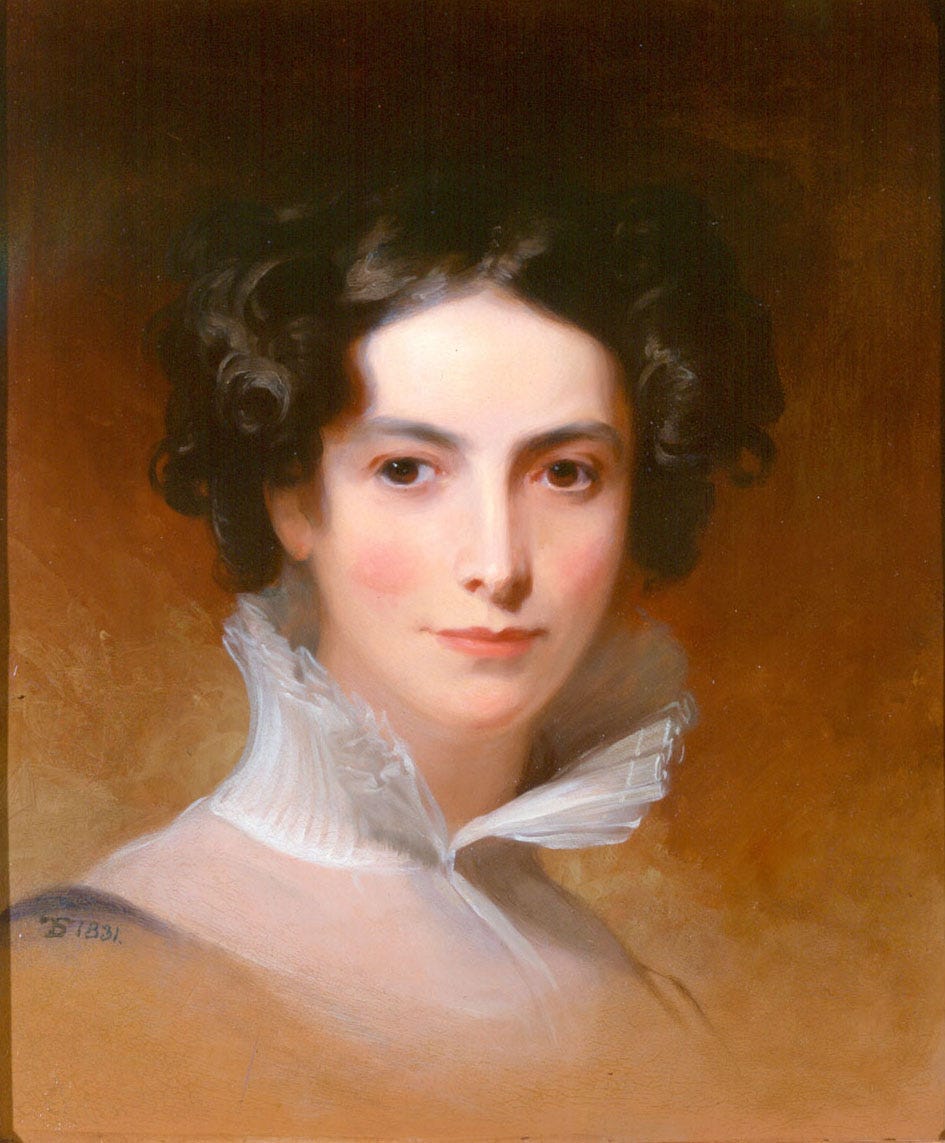
One of the aims of these articles is to introduce people who may not have lived dramatic lives or done earth shattering things, but who were responsible for small changes that have helped shape the Jewish world. Rebecca Gratz was one such person. She was once thought to have been the model for Rebecca, the Jewish heroine of Walter Scott’s popular 19th century novel, Ivanhoe. She and the novelist neither denied nor confirmed the suggestion.
Ivanhoe is a novel set in medieval times. The heroine, Rebecca, is an uncommonly beautiful Jewish woman, portrayed as being extraordinarily kind, honest, generous and charitable, who spends her life caring for the sick. Notably, despite falling deeply in love with the knight, Ivanhoe, she spurns his advances because she will not marry a man who is not of the Jewish faith.
Rebecca Gratz is said to have had similar qualities. Born in 1781 into a wealthy Philadelphia family, she had a good education, attended women’s academies and moved in cultured circles, writing poetry and corresponding with writers and artists in the United States and England. She spent her life doing charitable works. And it is rumoured that she refused to marry her beloved because they were of different faiths.
At the age of 19, Rebecca was called upon to nurse her father, who had suffered a stroke. She spent the rest of her life nursing and helping others. She was one of the founders of the Female Association for the Relief of Women and Children in Reduced Circumstances, an organisation created to help families who were suffering as a result of the American Revolution. She served as the Association’s Executive Secretary for several years.
In 1815, she helped establish the Philadelphia Orphan Asylum. She served on its Board for 40 years, donating money and leading a fund-raising campaign when the Asylum’s building was destroyed by fire.
Rebecca Gratz was distressed both by the subservient role of women and the marginalisation of Jews in American society. She used her position in the organisations she was involved with to promote her views, writing reports and delivering speeches, which were often reported in the local press. She argued that women should have a more productive role in society and that it was the duty of American Jewish women to help those newly arrived in the country to settle into their new land and to become “secure citizens”.
